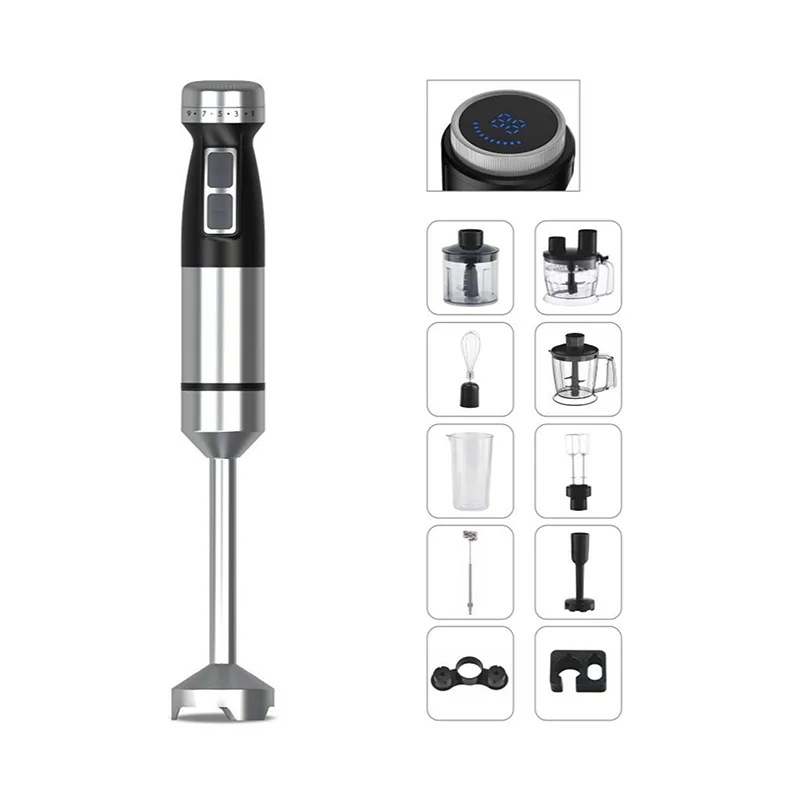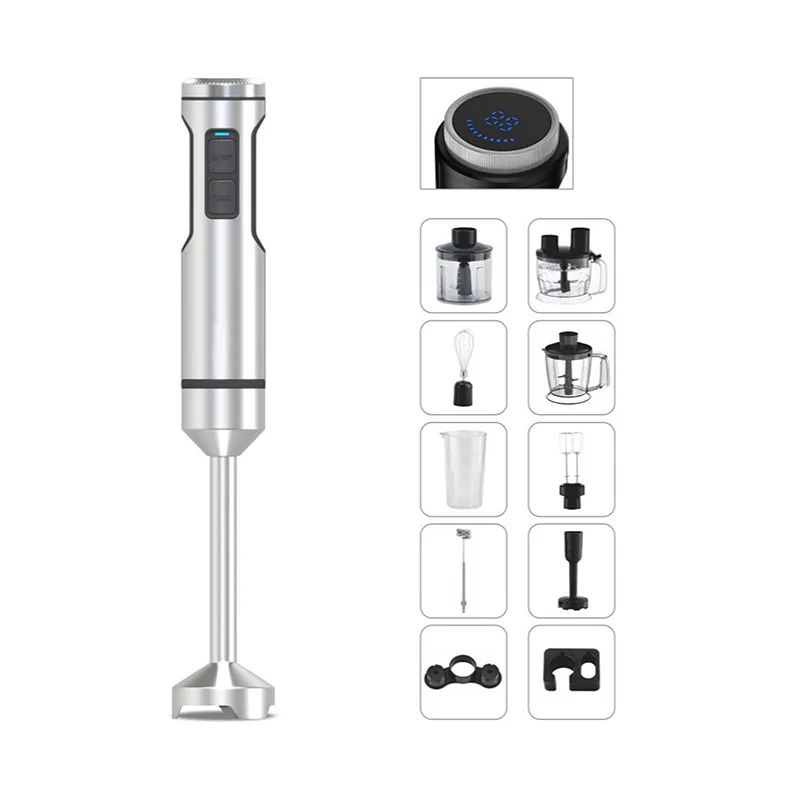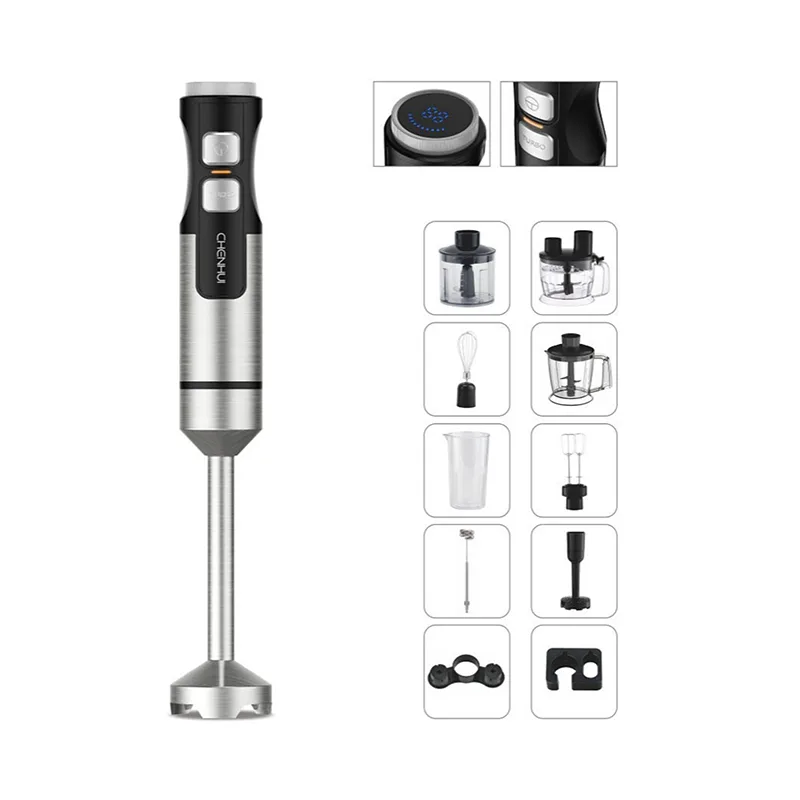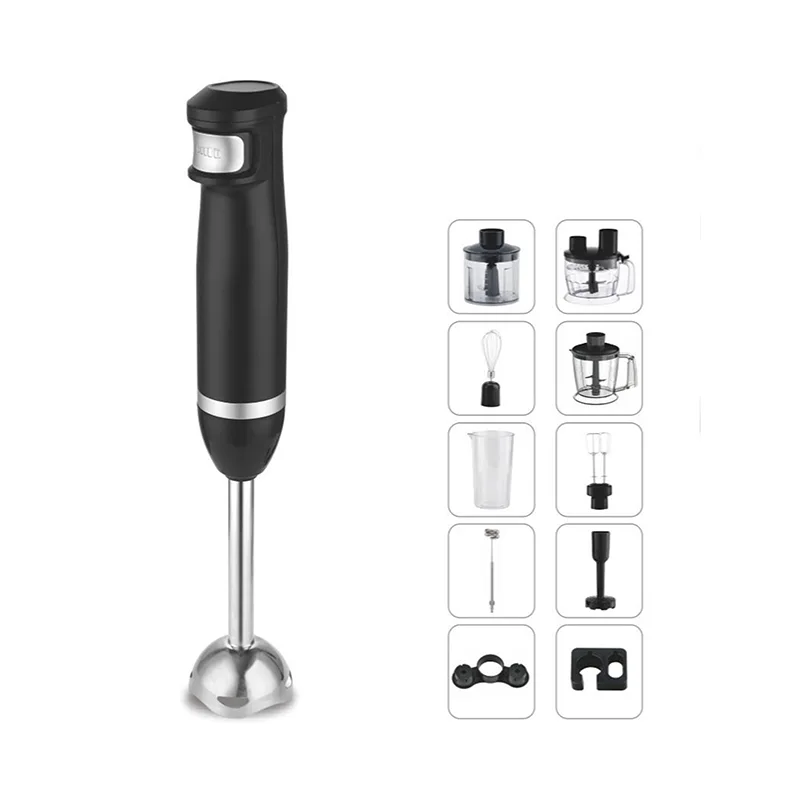
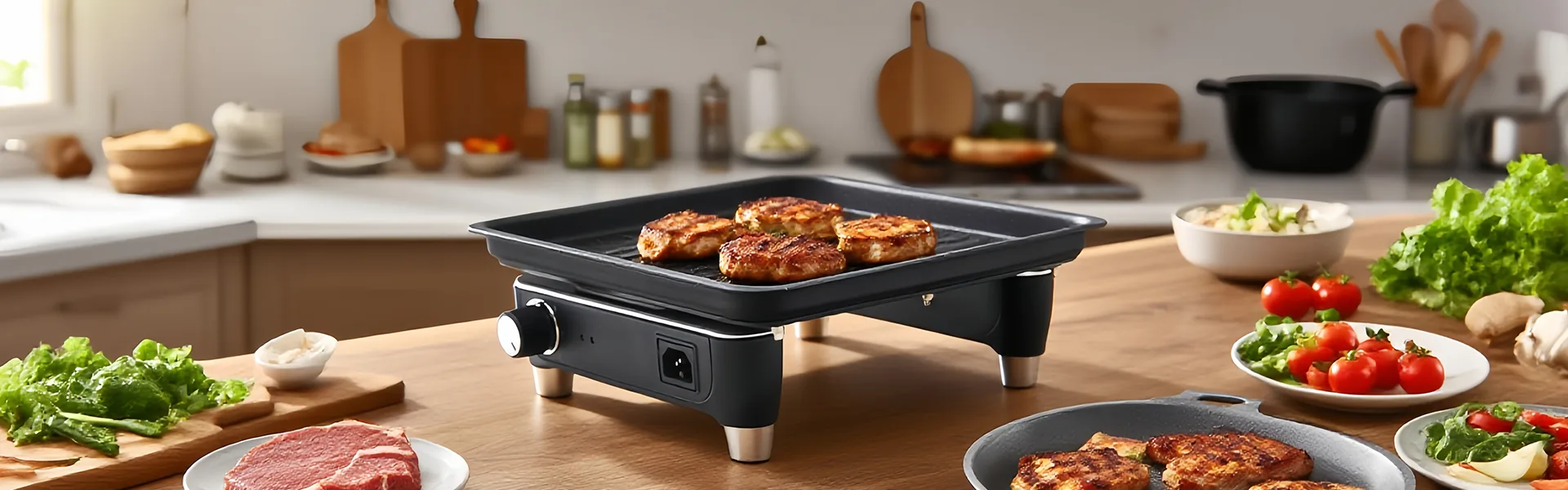
Ningbo Haishu Benting Technology Co., Ltd. is located in the Shanghai-Hangzhou-Ningbo economic golden triangle with convenient transportation, has a 5,000-square-meter manufacturing facility, specializes in kitchen appliances and owns an in-house aluminum die-casting workshop to ensure efficient, high-quality and cost-effective production.
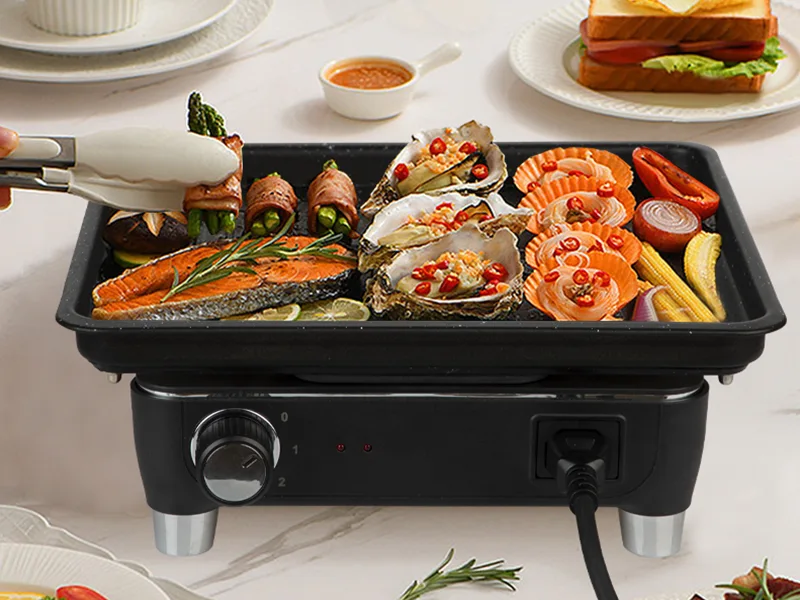
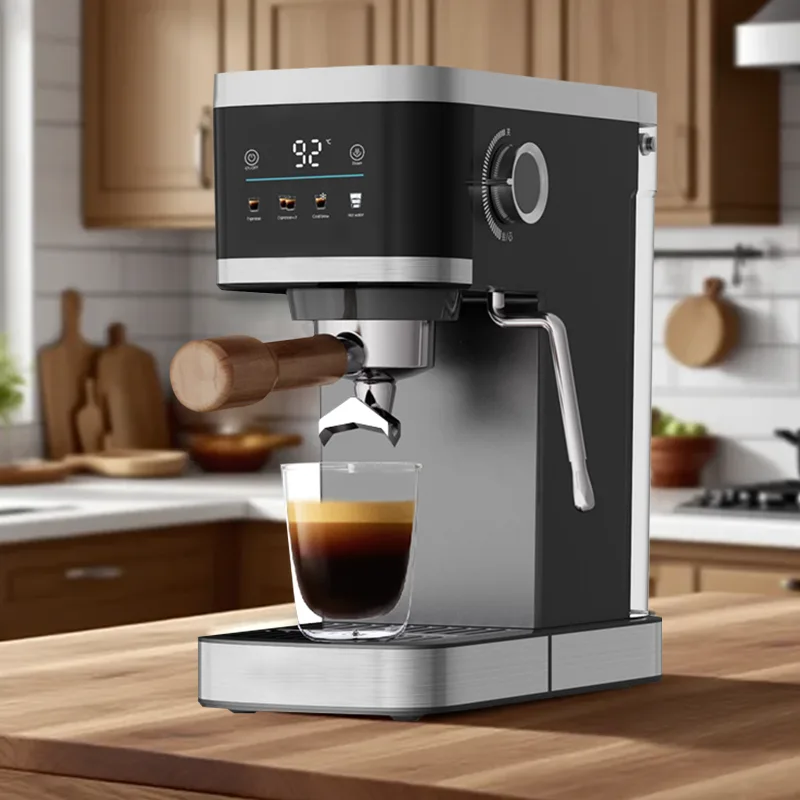
Its products include Graphene Electric Baking Tray, Coffee Machine, Nutri Blenders, Coffee Grinder, Juicer and Stick Blender.
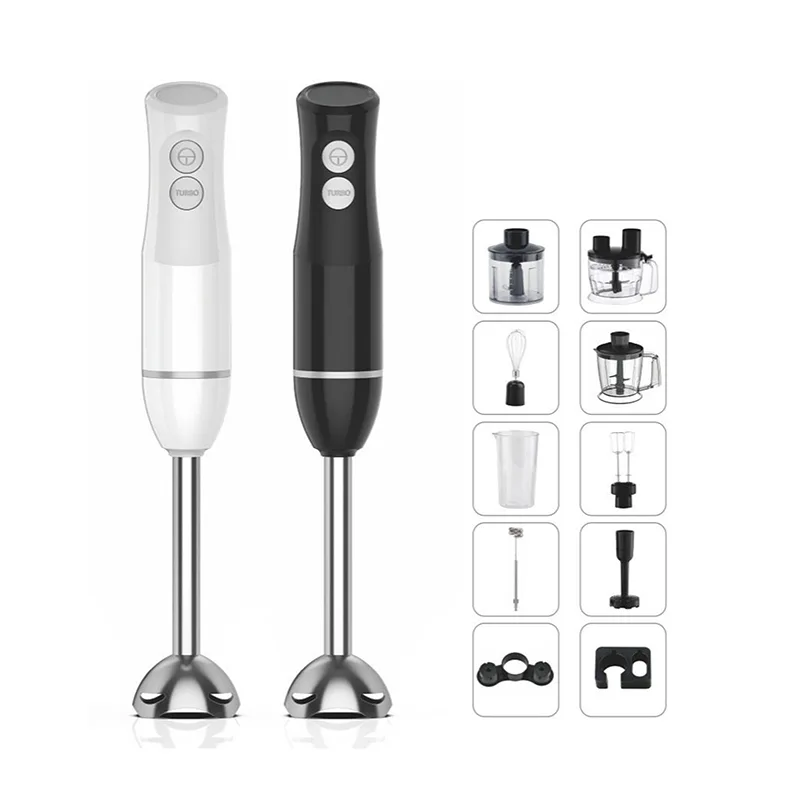
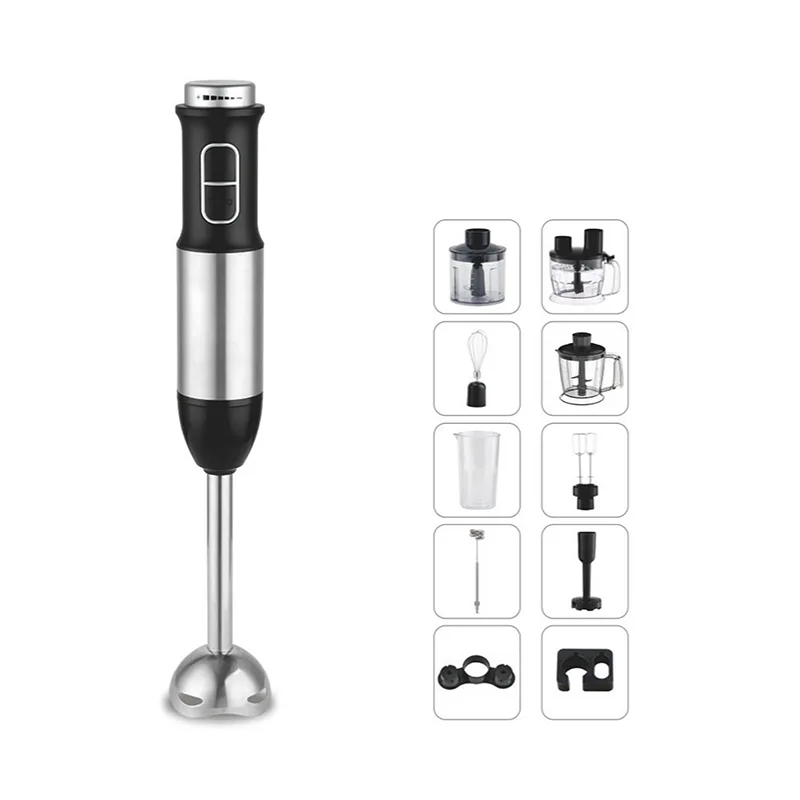
In today's fast-paced kitchen, efficiency and versatility are paramount. The humble stick blender, also known as an immersion blender, has evolved from a simple tool into an indispensable culinary powerhouse. For anyone passionate about cooking—from the home enthusiast to the seasoned professional—understanding the capabilities and specifications of a high-quality model is key to unlocking its full potential. This guide delves deep into the world of stick blenders, with a focus on the engineering and performance behind the Benting ProBlend Series, helping you make an informed decision for your kitchen.
Unlike bulky countertop blenders, a stick blender offers direct, precise control. Its immersion design allows you to blend, puree, or whip ingredients right in the pot, bowl, or measuring cup, minimizing cleanup and preserving the texture and temperature of your food. From silky soups and smooth sauces to emulsified dressings and baby food, its applications are nearly endless. The Benting ProBlend takes this convenience further, integrating robust power with intelligent design to handle even the toughest tasks with ease.
Specifications tell only part of the story. The real-world benefits of the Benting ProBlend are realized through its thoughtful design features.
Here are answers to some of the most common questions about using and maintaining a stick blender, particularly the Benting ProBlend series.
Can I use a stick blender in a non-stick pot?
Yes, but with caution. Always ensure the blender's blades do not touch the bottom or sides of the pot. Use a gentle touch and hold the blender at a slight angle. The Benting ProBlend's stainless steel guard provides an extra layer of protection against accidental scraping.
What is the main difference between wattage and speed settings?
Wattage (power) determines the motor's ability to handle dense or hard ingredients without stalling. Speed settings control the rotational speed of the blade. A high-wattage motor like the 1000W in the Benting ProBlend provides torque at low speeds for crushing ice, while variable speeds let you finely control texture for different recipes.
How do I clean my stick blender properly?
Always unplug the unit first. For the main body, wipe with a damp cloth—never immerse it in water. Most attachments, like the Benting's blending shaft and whisk, are detachable and dishwasher safe. For immediate cleaning, blend a little warm water with a drop of dish soap right after use, then rinse.
Can I use it to make nut butter or crush ice?
The Benting ProBlend 1000 is powerful enough for small batches of nut butter, though it may require patience and occasional scraping. It is excellent at crushing ice for smoothies when used in the accompanying beaker. For large quantities or very hard nuts, a dedicated food processor is more efficient.
Why does my stick blender sometimes leave unblended pieces?
This is often due to technique. Use a slight circular and up-and-down motion while blending to ensure all ingredients pass through the blade vortex. For very smooth results, start at a low speed to break down large pieces, then increase speed gradually. The multi-layer blade design in Benting models minimizes this issue.
Is it safe for making hot soups?
Absolutely. In fact, pureeing hot soup directly in the pot is one of its primary uses. Ensure the immersion depth is sufficient to prevent splashing. Avoid submerging the entire motor body (the top part) in the liquid. The Benting's thermal-safe housing is specifically tested for this common hot food application.
What should I avoid blending with a stick blender?
Avoid extremely dry, sticky substances like thick dough or hard candy, as they can damage the motor or blades. Do not attempt to blend very small quantities of liquid, as this can cause splashing and uneven blending. The chopper attachment is better suited for very hard items like coffee beans or whole spices.
To get the most out of your investment, consider these professional tips. Start with the right attachment for the job—use the whisk for airy foams and the chopper for dry ingredients. When blending large, thick batches, work in stages to prevent motor strain. For super-smooth results, pass dense mixtures like tomato sauce through a fine sieve after blending. Regularly check that attachments are securely locked in place before operation to ensure safety and optimal performance. Store the unit and its attachments in the provided storage case or a dedicated drawer to protect the blades and prevent loss.